
Safe Tips for Installing Electrical Fixtures in Your Home
Installing electrical fixtures can feel intimidating, but with the right approach, it’s a manageable and rewarding task. I want to share some practical advice to help you install electrical fixtures safely and confidently. Whether you’re updating lighting or adding new outlets, these tips will guide you through the process step-by-step.
Preparing for Installing Electrical Fixtures
Before you start any electrical work, preparation is key. First, turn off the power at the circuit breaker to avoid any risk of electric shock. Use a voltage tester to double-check that the power is off at the fixture location. Safety always comes first.
Next, gather all the tools and materials you’ll need. This usually includes:
Screwdrivers (flathead and Phillips)
Wire strippers
Voltage tester
Electrical tape
Wire nuts
The new fixture and mounting hardware
Make sure your new fixture matches the electrical box and wiring in your home. If you’re unsure, take a photo of the existing setup and bring it to your local hardware store for advice.

Step-by-Step Guide to Installing Electrical Fixtures
Now that you’re prepared, let’s walk through the installation process. Here’s a simple step-by-step guide:
Turn off the power at the breaker box.
Remove the old fixture by unscrewing it and disconnecting the wires.
Inspect the electrical box for damage or loose connections.
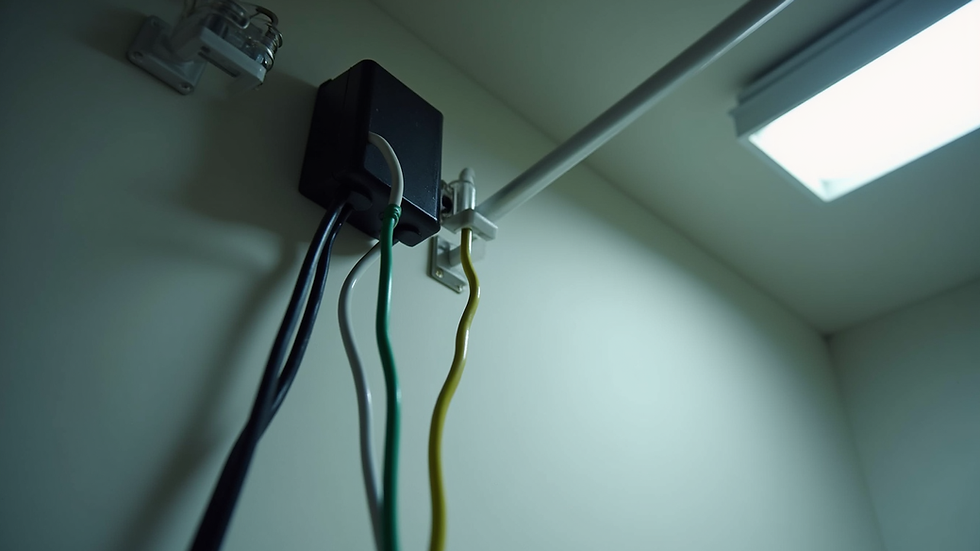
Connect the wires from the new fixture to the house wiring. Usually, black (or red) wires connect to black, white wires connect to white, and green or bare copper wires connect to the ground.
Secure the fixture to the electrical box using the mounting screws.
Attach any covers or bulbs as needed.
Turn the power back on and test the fixture.
If you follow these steps carefully, you’ll have your new fixture installed safely and efficiently.
What wires go where on a light fixture?
Understanding wire connections is crucial for safe installation. Here’s a quick overview:
Black or red wires are the “hot” wires. They carry electricity from the power source to the fixture.
White wires are neutral. They complete the electrical circuit by carrying current back to the breaker panel.
Green or bare copper wires are ground wires. They protect you from electrical faults by directing electricity safely into the earth.
When connecting wires, always match colors: black to black, white to white, and green or bare copper to the ground screw or wire. Use wire nuts to secure connections and wrap them with electrical tape for extra safety.
If your fixture has different colored wires, check the manufacturer’s instructions carefully. When in doubt, consult a professional.
Common Mistakes to Avoid During Electrical Fixture Installation
Even small mistakes can cause big problems. Here are some common pitfalls to watch out for:
Not turning off the power: Always double-check with a voltage tester.
Loose wire connections: Make sure wires are tightly twisted together and secured with wire nuts.
Overloading the circuit: Check the fixture’s wattage and ensure it doesn’t exceed the circuit’s capacity.
Ignoring the ground wire: Never skip grounding; it’s essential for safety.
Using the wrong tools: Use insulated tools designed for electrical work.
Avoiding these mistakes will keep your installation safe and your home protected.
When to Call a Professional for Electrical Fixture Installation
Sometimes, the best choice is to call in an expert. If you encounter any of these situations, don’t hesitate to get professional help:
Your home’s wiring is old or damaged.
You’re installing a fixture that requires new wiring or a new electrical box.
You’re unsure about wire colors or connections.
The fixture is in a wet or outdoor location.
You want to add a dimmer switch or other advanced controls.
A licensed electrician can ensure the job is done safely and up to code. Remember, your safety and your home’s electrical system are worth the investment.
Making Your Home Safer with Proper Electrical Fixture Installation
Proper installation not only improves your home’s look but also enhances safety. Well-installed fixtures reduce the risk of electrical fires and shocks. Plus, they work better and last longer.
If you want to learn more about electrical fixture installation, check out trusted resources or contact a local professional. Taking the time to do it right pays off in peace of mind and a safer home environment.
By following these tips, you can tackle your electrical fixture projects with confidence. Remember, safety is the top priority, and when in doubt, ask for help. Your home deserves the best care, and you can make that happen one fixture at a time.


Comments